Choosing the Best Roofing Materials: Professional Advice From the Experts at Premier Roofing & Exteriors
Selecting the right roofing materials can significantly influence a home's longevity and visual charm. Premier Roofing & Exteriors showcases numerous options, including asphalt shingles, metal roofing, and clay tiles, each delivering unique benefits. Elements like climate and architectural style are essential factors in this selection. Appreciating the long-term value of quality materials is essential, yet many homeowners neglect key elements that can impact their decisions. What additional aspects should they explore?
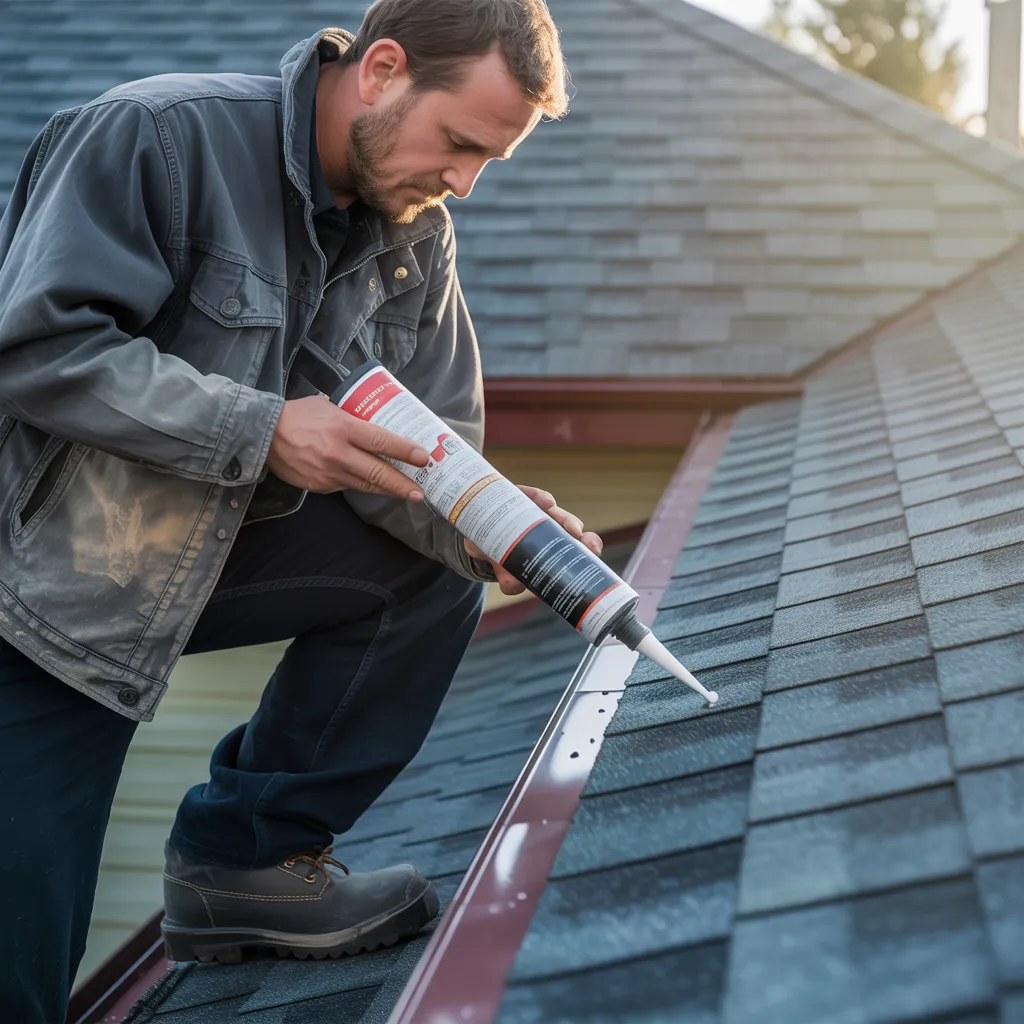
A Guide to Different Roofing Materials
When deciding on roofing materials, what should homeowners take into account? Many choices exist, each with distinct characteristics, advantages, and drawbacks. Asphalt shingles remain a top choice due to their budget-friendly nature and simple installation process, making them a frequently selected option for numerous home projects. Metal roofing, celebrated for its resilience and ability to reduce energy consumption, attracts homeowners looking for lasting performance and lower cooling expenses. Clay and concrete tiles deliver decorative beauty and demonstrate resistance to a range of weather elements, yet they are typically bulkier and higher in price. Wood shakes provide natural beauty but require regular maintenance to prevent decay. Homeowners should additionally evaluate regional weather conditions, home design, and financial limitations. In the end, the selection of roofing material should reflect individual tastes and functional requirements, maintaining an equilibrium between practicality and visual attractiveness while increasing the property's long-term value.
How to Determine Durability and Longevity
Assessing long-term performance and durability in roofing materials is vital for homeowners seeking to make an informed decision. To evaluate these factors, one should consider the material's ability to withstand weather conditions such as wind, rain, and hail. For instance, metal roofs tend to outlast asphalt shingles when it comes to durability, commonly enduring over 50 years when properly maintained.
Another important consideration is the manufacturer's warranty, which can shed light on projected life expectancy and sturdiness. It is also important for homeowners to consider local climate conditions, as particular materials often work more efficiently in particular settings. To Roof Company illustrate this point, clay tiles are capable of enduring severe temperature fluctuations, positioning them as an excellent option for regions with higher temperatures.
Furthermore, gathering specialist feedback and reviews can support the analysis of performance history. Ultimately, opting for materials that correspond with both area-specific needs and personal choices delivers a resilient roofing solution that defends homes for the foreseeable future.
Cost vs. Value in Roofing
Grasping the link between expense and worth in roofing materials is crucial to reaching well-informed choices. Property owners often encounter the challenge of weighing initial costs against long-term advantages. While less expensive materials may lower upfront expenses, they may fall short in durability and necessitate more recurring replacements, ultimately increasing overall expenses. By comparison, selecting higher-grade materials can produce considerable cost reductions over time through greater lifespan and diminished maintenance demands.
Value also encompasses elements like visual appeal and energy performance. Roofs that offer better insulation can lower energy bills, providing a return on investment that transcends the initial outlay. Moreover, an attractive roof can boost a property's market value. As a result, evaluating roofing options should not solely focus on price but should also consider the long-term benefits and potential savings. Ultimately, a thoughtful assessment of cost versus value will lead to more satisfactory roofing choices.
Choosing the Right Roofing Style for Your Home's Architecture
How do homeowners make certain their roofing style aligns with their home's architectural design? Picking the correct roofing style is critical for establishing aesthetic balance and boosting curb appeal. Homeowners must start by assessing their home's overall architectural design. As an example, a contemporary home typically complements flat or low-slope roofs, whereas classic styles such as Colonial or Victorian are enhanced by gable or hip roofs.
Additionally, the nearby surroundings plays an essential role. Properties near the coast might choose materials capable of withstanding salt and moisture, while those in frigid climates may benefit from roofs engineered to manage snow accumulation. Harmonizing colors is just as significant; a roof should blend with the exterior palette to establish a harmonious aesthetic. Engaging with architectural advisors or industry experts can deliver meaningful recommendations, guaranteeing that the preferred roofing option not only aligns with personal taste but also preserves the architectural integrity of the property.
Care Guidelines for Your Selected Roofing Material
Adequate care of roofing materials is essential for extending their lifespan and ensuring top-level efficiency. Property owners should conduct regular inspections, optimally on a biannual basis, to detect underlying concerns such as compromised shingles or accumulated waste. Cleaning drainage channels and downpipes avoids water-related damage and supports effective drainage. For asphalt-based roofing, guaranteeing adequate ventilation can reduce excessive heat accumulation, which may lead to material degradation. Steel roofing systems require regular examinations for oxidation or weakened connectors, while tiled roof systems should be inspected for fractured roofing tiles.
Moreover, trimming trees away from the roof reduces the risk of falling branches and limits moss or algae growth. If needed, prompt repairs should be undertaken to prevent minor issues from escalating. Ultimately, engaging a professional for regular maintenance or inspection can supply expert advice and verify that the roofing material is maintained in optimal condition, enhancing the home's overall value and safety.
Answers to Your Most Common Questions
What Environmental Effects Do Various Roofing Materials Have?
Various roofing materials carry distinct environmental consequences. Asphalt shingles contribute to landfill waste, but metal roofs present a recyclable alternative. Green roofs deliver significant insulation properties, however their installation process tends to be resource-demanding, highlighting the need for careful selection.
In What Ways Do Weather Conditions Affect Roofing Material Performance?
Climatic conditions heavily impact how roofing materials perform. Drastic temperature changes may lead to expansion or contraction, as heavy precipitation such as rain or snow may result in leaks. Wind may lift or damage materials, compromising their overall durability and performance over time.
Am I Able to Install New Roofing Over My Existing Materials?
Indeed, new roofing can be installed over existing materials, given that the existing structure is solid and local building codes support it. This method can save time and costs, though a careful inspection is critical to confirm the roof's durability.
What Types of Warranties Are Commonly Available for Roofing Materials?
Standard warranties for roofing materials encompass manufacturer-provided warranties, typically covering defects for 20 to 50 years, and workmanship warranties, ranging from one to ten years, according to the contractor's terms, ensuring installation quality and material performance.
How to Choose a Reliable Roofing Contractor
To choose a reliable roofing specialist, homeowners should research reviews, confirm licenses and insurance, request detailed estimates, and ensure clear communication. Direct referrals and examining prior projects can further build confidence in the contractor's skills.